A Simple Weekly Medication Routine That Actually Sticks
Learn a warm, step‑by‑step way to build a weekly medication schedule that fits your life, using habit‑science, visual cues, and a quick weekly check‑in.
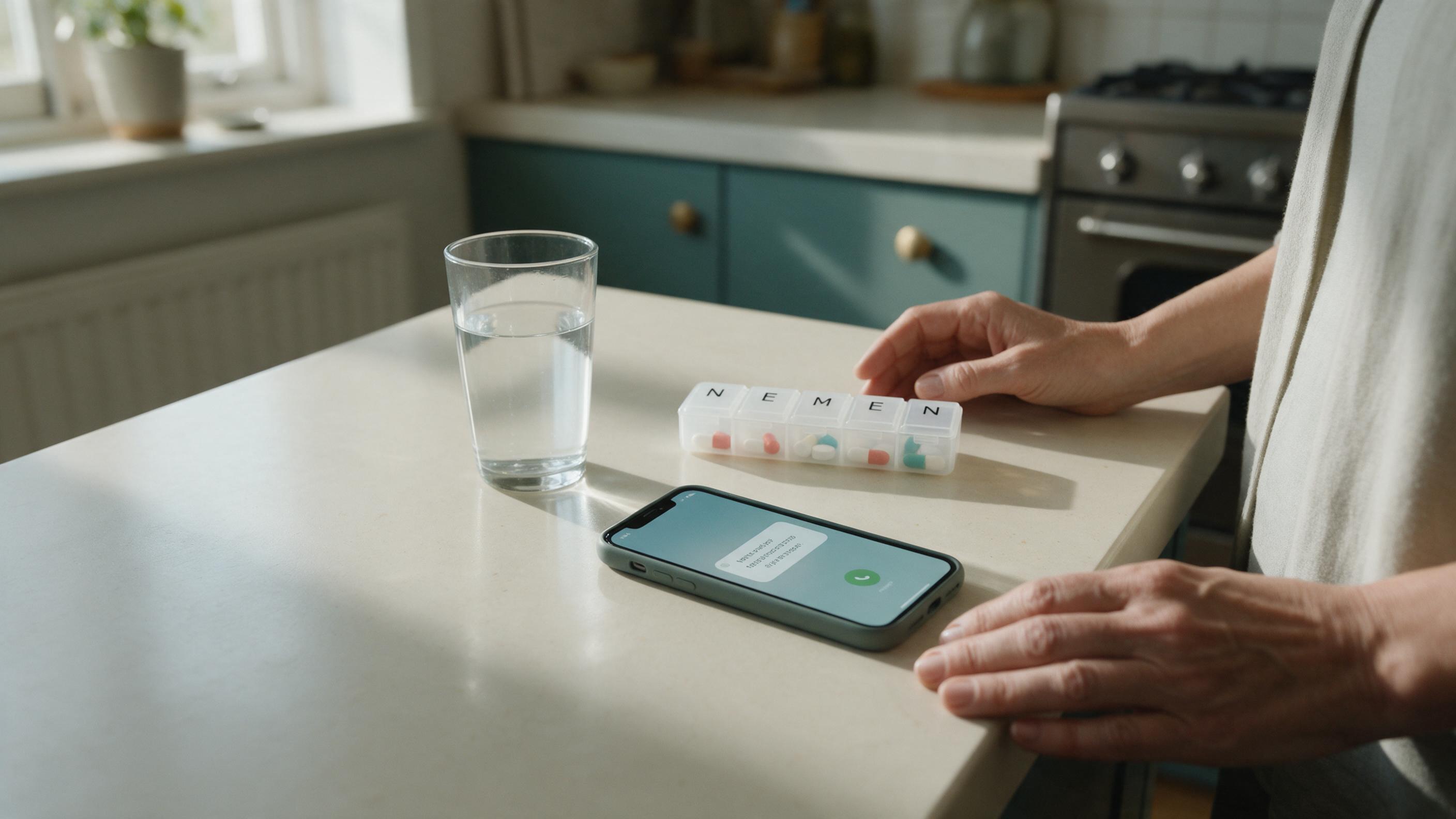
Why a Weekly Rhythm Helps
Living with chronic conditions means juggling appointments, labs, and a list of medications. When the routine feels like a chore, it’s easy to miss a dose and start a cascade of extra doctor calls or refill headaches. Research on habit formation shows that routines stick when they’re tied to existing daily anchors and when the steps are clear and repeatable (see Pillo’s guide on habit‑based medication routines: https://pillo.care/blog/how-to-build-a-medication-routine).
Step 1: List Every Pill

Start with a master list. Write down every prescription, over‑the‑counter product, vitamin, and supplement you take. Include the name, dose, and why you’re taking it. The FDA recommends keeping a complete medication list for safety (https://www.fda.gov/consumers/consumer-updates/create-and-keep-medication-list-your-health). A simple spreadsheet or a notebook works; the key is that the list lives in one place you can reference.
Step 2: Decode the Timing Instructions
Each medication comes with its own timing language: “take with food,” “once daily in the morning,” or “every 12 hours.” Translate these into concrete actions. For example, “take with food” becomes “take after breakfast.” If a label says “every 8 hours,” decide on three anchor points that fit your day (e.g., after waking, lunch, and bedtime). This step mirrors the Care Pharmacy guide’s emphasis on understanding timing before you schedule (https://www.carepharmacytx.com/blogs/how-to-create-a-personalized-medication-schedule-that-works).
Step 3: Bundle by Time of Day
Group meds that share the same anchor. You might end up with three bundles:
- Morning bundle – after you brush your teeth.
- Midday bundle – with lunch.
- Evening bundle – after dinner or before bed.
Bundling reduces decision fatigue and makes the routine feel like a single habit rather than a list of separate tasks.
"When I stopped treating each pill as its own task and started grouping them with my meals, I stopped missing doses altogether."
Step 4: Anchor to Existing Habits
Habits stick when they latch onto something you already do without thinking. Choose a habit you perform reliably—like turning on the coffee maker, checking your phone for morning messages, or brushing your teeth. Place your medication bundle right after that habit. The Hero Health article outlines this anchor technique as one of the seven steps to rebuild a routine (https://herohealth.com/blog/medication-management/how-to-get-medication-routine-back-on-track).
Step 5: Visual Cues & Simple Charts
Create a visual cue that reminds you at a glance. A small chart on your fridge, a sticky note on the bathroom mirror, or a printed weekly pill organizer can serve as a quick reference. The MedlinePlus guide suggests using clear visual cues to support daily memory (https://medlineplus.gov/ency/patientinstructions/000613.htm). Keep the chart simple: day columns, time rows, and a check‑box to tick off each dose.
Step 6: Gentle Tech Reminders
Alarms are useful, but they work best when they move with you. Set a recurring alarm on your phone for each anchor time, and label it with the medication bundle name (e.g., "Morning meds – after coffee"). If you travel or change schedules, adjust the alarm accordingly. The Pillo guide notes that technology should support—not replace—habit cues.
Step 7: Weekly Review & Refill Check
Pick a low‑stress moment each week—perhaps Sunday evening—to review your chart. Ask yourself:
- Did I miss any doses?
- Are any meds running low?
- Do any timing instructions need tweaking?
If a refill is due, you now have a concrete list to send to your pharmacy. The Alfie Health Copilot can help you track refill dates and even start a quick Refill request (the flat $40 service) without the usual back‑and‑forth.
Quick‑Start Checklist
- Write a master medication list.
- Translate timing instructions into daily anchors.
- Group meds by morning, midday, and evening.
- Pair each group with an existing habit.
- Put a visual chart in a high‑traffic spot.
- Set labeled phone alarms for each anchor.
- Do a weekly check‑in and note refill needs.
Building a routine doesn’t have to be a massive project. By breaking it into these small, repeatable steps, you give yourself a weekly rhythm that feels natural rather than forced.
If you’d like a calm companion to remind you, surface your medication list, or flag a refill, Alfie’s Health Copilot is always just a tap away—quiet, non‑judgmental, and ready to keep you on track.
Never run out again.
Alfie keeps track of every medication and refill, and nudges you at exactly the right moment.
Talk to Alfie